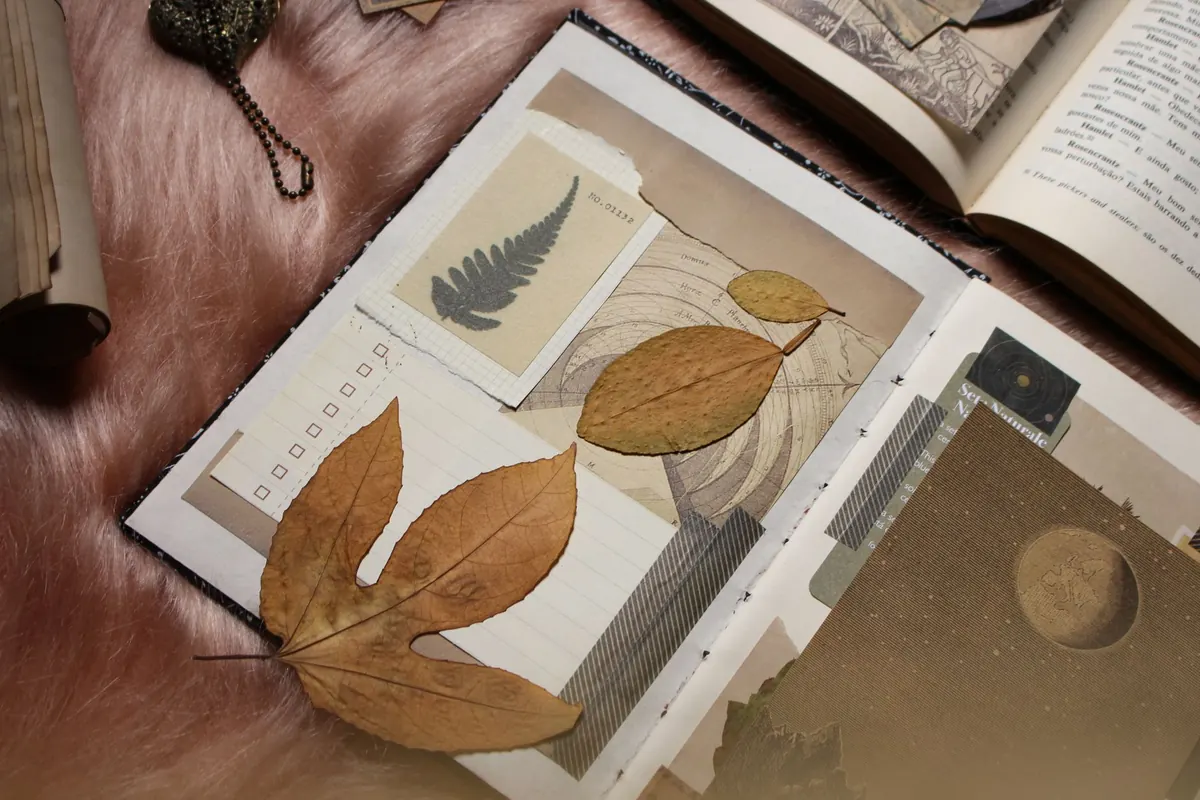

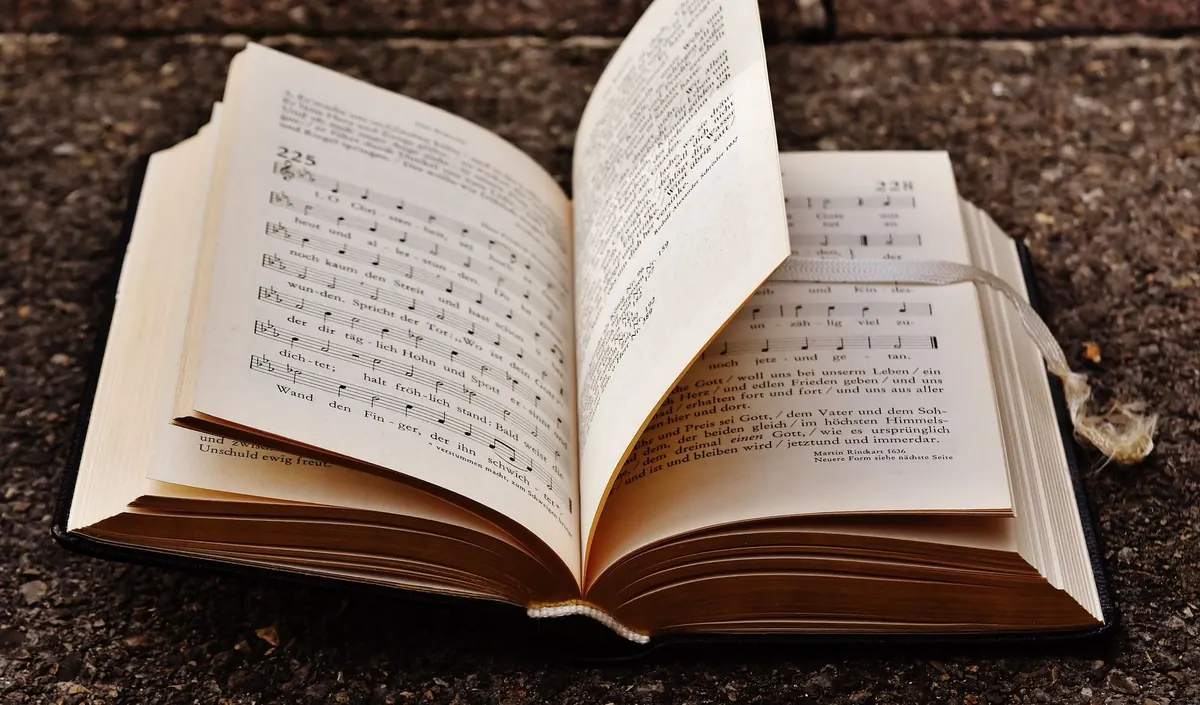
Most of us have some version of this problem. A sentence stops you mid-page; you copy it into your phone, or underline it, or fold the corner over, and promise yourself you will come back to it. A year later the note is buried in a camera roll and the book is back on the shelf.
A commonplace book is the older, sturdier answer. It is one place — a notebook, a box of index cards, a folder of text files — where the passages, ideas, facts and references worth keeping are written down, labelled and kept together. Not a diary. Not a reading log. A working archive of what you have read and thought, arranged so that you can find it again.
What a Commonplace Book Is (and Isn't)
Readers have kept commonplace books for centuries. Students in early modern Europe were taught to compile them, and John Locke published a method for arranging the entries in 1706. The idea has lasted because it solves a permanent problem: memory is good at gist and poor at detail.
Three distinctions are worth holding on to. A diary records what happened to you, in order. A reading log records what you finished. A commonplace book records what you want to keep and use, grouped by subject rather than by date. That last point matters. When you file by theme, a note on persuasion from a marketing book can sit beside a line from Marcus Aurelius without either looking out of place.
Why It Beats a Pile of Scattered Notes
Scattered notes fail in predictable ways. Your highlights live in four different apps, half of them behind logins you have forgotten. Handwritten notes sit in three notebooks with no obvious order. Nothing is searchable and nothing is dated, so you never quite trust what you have.
A single book fixes the retrieval problem, but it does something else too. Copying a passage out by hand, or retyping it, slows you down just enough to think about it. Deciding where an entry belongs forces a small judgement about what it is actually about. And when you leaf back through six months of your own entries, you can see what you keep returning to — which is often more useful than what you thought you were interested in.
Choose a Format You'll Actually Keep
The best format is the one you will still be adding to in March. Consider where you read, whether you need full-text search, and whether you want the book with you or on a desk.
- A bound notebook. Cheap, portable, pleasant to write in, impossible to search. Best if you read mostly on paper and like the physical object.
- Index cards in a box. One entry per card, filed by heading. Infinitely reorderable, but bulky and easy to spill.
- A ring binder or loose-leaf folder. Pages can be moved between sections as your interests shift. Good for people who reorganise compulsively.
- A plain-text folder on your computer. One file per theme, or one file per year with headings inside. Searchable, backup-able, and readable on any device.
- A hybrid. Quotes and longer reflections by hand; references, links and bibliographic details in a searchable file that you cross-reference by date or number.
Pick one and resist the urge to build a system before you have anything to put in it.
Build the Skeleton First
Ten minutes of setup saves hours of hunting later. Do this before you write a single entry.
Number the pages and reserve an index
If you are using paper, number the pages as you go or number the first fifty at the start. Leave the first two or three pages blank for an index. If you are working digitally, decide on a naming convention now — for example topic-date — and stick to it.
Choose a handful of headings
Newcomers usually create too many categories. Start with six: Reading, Ideas, Language, People, Questions, Practice. You can split a heading later once a section is overflowing. A subject with three entries does not need its own divider.
Keep the index current
Every time you add an entry, write the heading and page number in the index. It takes seconds and it is the difference between a notebook and an archive.
Write Entries That Still Make Sense in Five Years
An entry has four parts, and the fourth is the one people skip.
[Quote or passage, copied exactly, with any omissions marked]
— Author, Title, page or year
Why it caught me: [one or two sentences in your own words]
Where it might go: [an essay, a lesson, an argument, a conversation]
Always separate the source's words from yours: quotation marks or a different ink colour. Record the edition and page number while the book is still open — tracking a reference down later is the single most annoying task in this whole practice. And write the comment. A quote with no note attached is a decoration; a quote with one line of your own thinking is a usable idea.
Common mistakes worth avoiding:
- Copying whole chapters instead of the two sentences that earned it.
- Writing "great point" as your comment — that tells your future self nothing.
- Leaving out the source because you are sure you will remember.
- Adding entries to a book you never reopen.
Keep It Alive: Capture, Review, Reuse
Capture in the moment if you can, and the same evening if you cannot. Keep a small notebook or a notes file with you so a passage can be caught before it fades.
Then review. Once a month, spend twenty minutes leafing through what you have added. Update the index, merge headings that have grown too fine, and cross out anything that now looks like filler. Once a year, read the whole thing. Patterns will show up: three entries on the same idea from three unrelated books is a strong hint about what you should be writing.
Finally, reuse. Before you start a project, read your index rather than searching the internet. The material you collected when you had no deadline is usually more interesting than what you find when you are desperate.
Start This Week
Choose one notebook or one folder. Number the first forty pages and write Index at the top of page one. Add six headings. Then copy out a single passage tonight — source, page and one line of your own — and file it.
That is the whole system. One entry a week is fifty-two a year, and after two or three years you will own something no app can give you: a record of how your reading has changed your thinking. Keep it plain, keep it indexed, and keep adding.
Photo: Pixabay / Pexels